



Bulk Morin 98% Powder (Mulberry Bark Extract): A Sourcing Guide for R&D
I write these field notes straight from our active ingredient extraction facility. Mulberry extracts are everywhere, but they are usually standardized for 1-DNJ to manage blood sugar. When an R&D team asks for Morin, they aren't looking for a basic leaf powder—they need a highly purified, antioxidant flavonol. Here is the operational breakdown on sourcing real 98% Morin without getting burned.
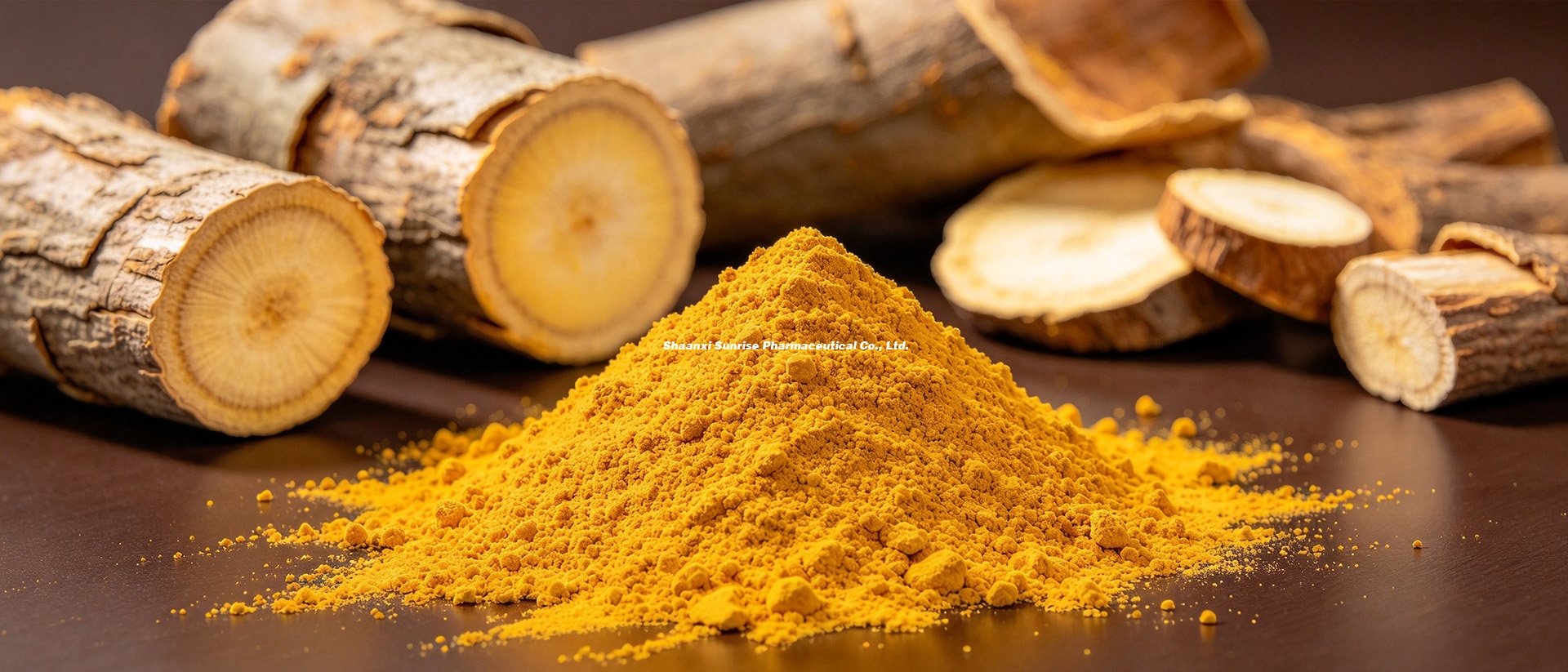
In the extraction business, we know Morin by its historical reputation: it was originally utilized as a potent natural yellow dye (often extracted from old fustic wood or mulberry bark). Today, it is a highly sought-after flavonol in the dietary supplement and pharma-research space, prized for its severe antioxidant capacity and its ability to act on uric acid pathways.
But if your purchasing desk tries to buy "Mulberry Bark Extract" hoping to get Morin, your production line is going to end up with a dark brown, tannin-heavy powder that completely ruins your formula's color and efficacy. Switching to the 98% isolated fraction is mandatory. Let's look at what actually goes into the spec sheet.
Reading the 98% Morin Spec Sheet
Pull the COA for our Morin 98%, and you are looking at targeted flavonol isolation. We run advanced membrane separation to leave the plant sugars and dark tannins behind. Here are the hard numbers:
Assay (Purity): ≥ 98.0% Morin (verified strictly by HPLC).
Botanical Origin: Morus alba L. (Mulberry bark/root bark) or Maclura tinctoria.
Chemical Nature: A bioactive flavonol (flavonoid).
Physical State: Yellow to light-yellow crystalline powder.
Solubility Profile: Soluble in ethanol and DMSO. Very poorly soluble in water.
Crude Mulberry Bark vs. 98% Isolate: Shop-Floor Reality
I see formulators try to cut costs by using generic 10:1 mulberry bark extracts in joint or metabolic formulas. They ultimately pay the price in bulk volume constraints and failed stability testing. Here is why the 98% isolate is the only sensible choice for precision dosing.
| Formulation Metric | Morin ≥ 98% (HPLC) | Crude Mulberry Bark Extract (10:1) |
|---|---|---|
| Flavonol Dosing | Exact milligram-to-milligram Morin payload. | Morin levels are untraceable or wildly inconsistent. |
| Visual Profile | Bright, clean yellow powder. | Dark brown, muddy appearance. |
| Space in Capsule | Micro-dosing leaves room for Quercetin or Resveratrol. | Bulky; requires massive doses to yield active effects. |
| Tannin Interference | Purified. No tannin binding issues. | High tannins can bind to other proteins in your formula. |
Where Contract Labs Are Deploying It
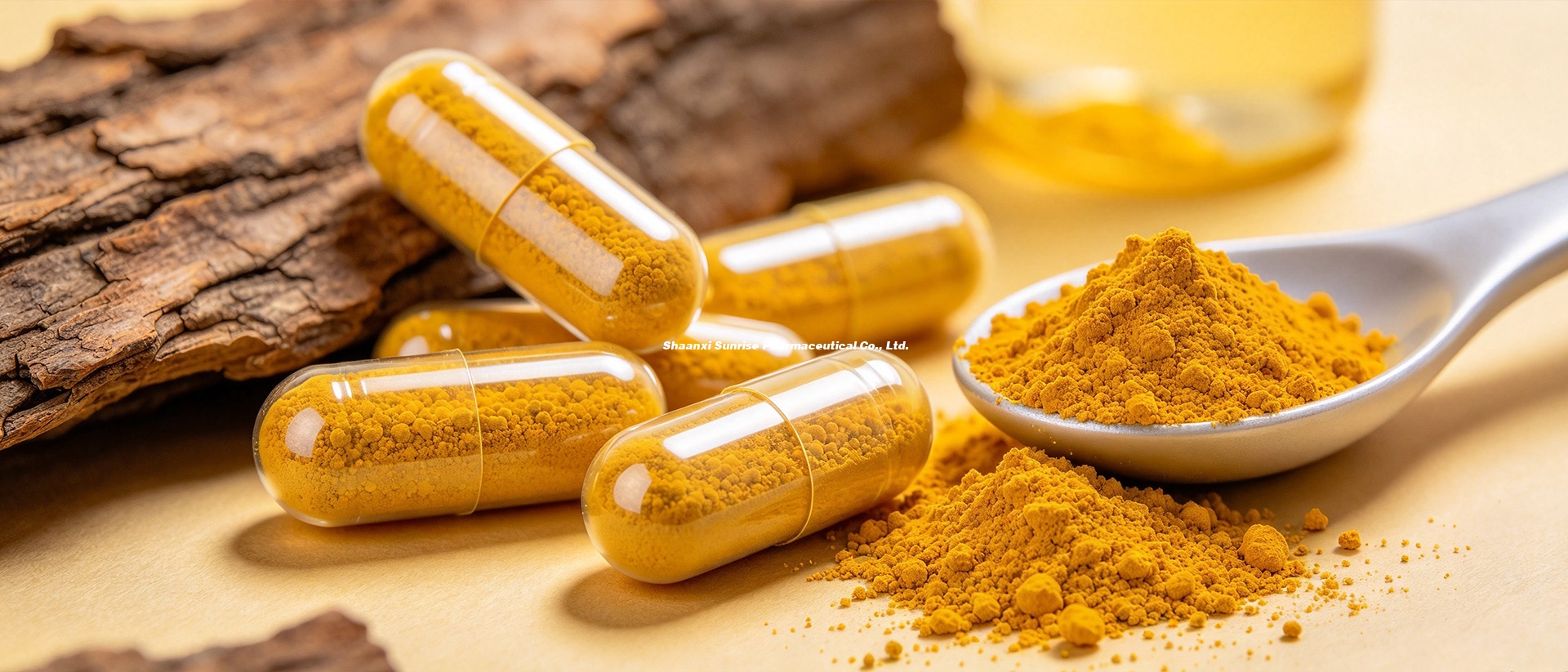
Because it provides a highly standardized, potent antioxidant payload, Morin is moving heavy volume in these specific premium supplement sectors:
Metabolic & Uric Acid Support: Often formulated alongside Tart Cherry extract and Celery Seed to support healthy uric acid metabolism and joint comfort.
Advanced Antioxidant Complexes: Stacked with other high-purity flavonoids like Quercetin, Rutin, and Kaempferol to neutralize free radicals and mitigate oxidative stress.
Neuroprotective R&D: Explored heavily in cutting-edge lab environments for its ability to protect cellular health across the blood-brain barrier.
How to Audit a Morin Supplier
Flavonoids look chemically identical to cheap UV spectrophotometers. If a supplier cannot answer these four questions, cross them off your vendor list.
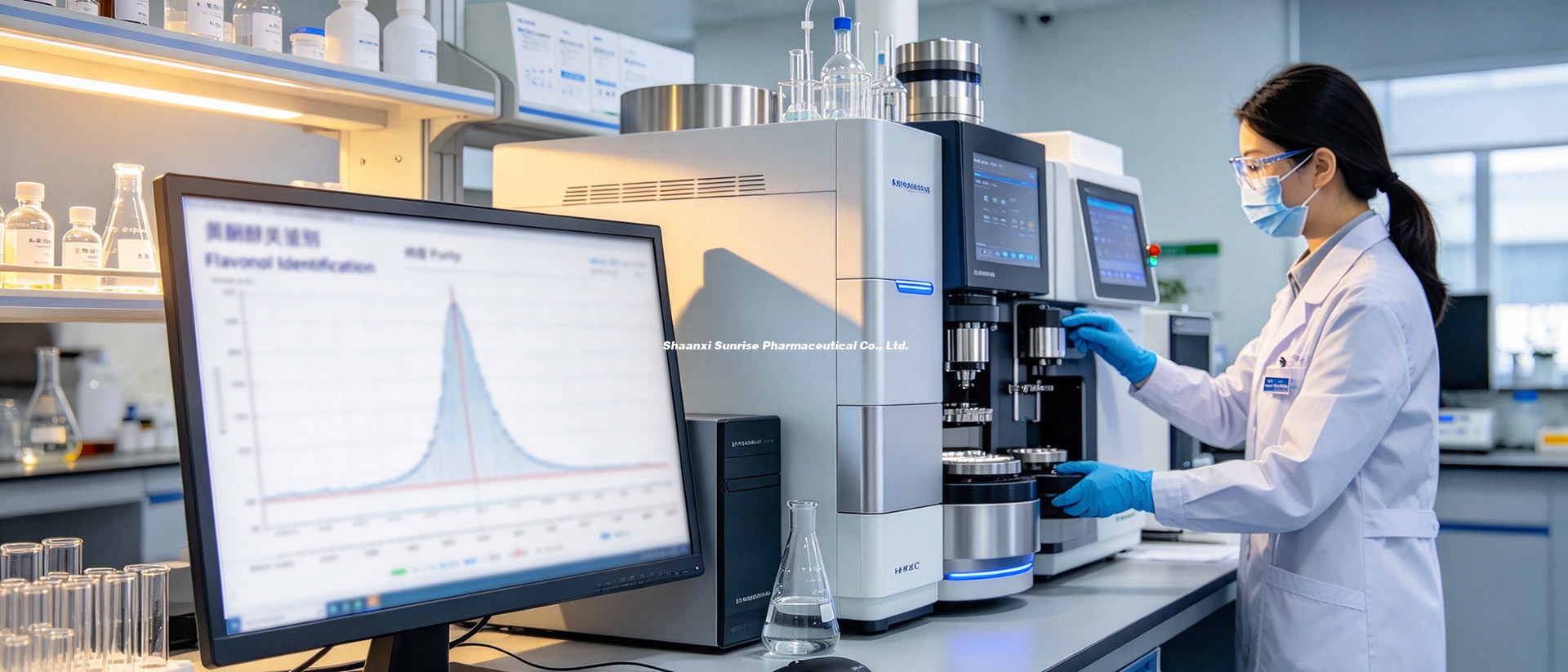
Demand the HPLC Chromatogram. Morin, Quercetin, and Kaempferol are incredibly similar in structure. A generic "UV test" cannot distinguish between them. Genuine 98% Morin must be verified via HPLC to prove the specific peak matches the reference standard.
Check the Residual Solvents. Purifying this compound involves organic solvents (typically ethanol). Your supplier’s COA must explicitly prove those residual solvents are stripped out well below USP/EP safety limits.
Verify Moisture Content. The isolated powder must be bone dry. If moisture creeps past 5%, the crystalline powder will clump and disrupt your encapsulation machine's dosing consistency.
Iron out logistics. We ship 1 kg aluminum foil bags for pilot lab runs and 25 kg fiber drums for full commercial batching. Ensure the supplier can handle your scale-up without suddenly extending lead times by a month.
Want to evaluate this bioactive flavonol for your next joint or antioxidant formula? Check the exact specifications on our Morin 98% product page, or browse the rest of our botanical extractions under the Products directory.
Questions From the Procurement Desk
Why shouldn't I just use Mulberry Leaf Extract instead?
Mulberry leaf extracts are usually standardized for 1-Deoxynojirimycin (1-DNJ) to target blood sugar metabolism. If your formula specifically calls for Morin's antioxidant and uric-acid pathways, a leaf extract will not provide the required flavonol payload. You need the 98% isolated fraction.
Is Morin soluble in water?
No. Like most flavonoids, Morin has extremely poor aqueous solubility. Do not attempt to formulate it into a clear RTD beverage. It dissolves well in ethanol or DMSO, but for commercial supplements, it belongs in dry powder capsules or blended into softgels.
Will this stain my manufacturing equipment?
Yes. Morin is historically known as a natural yellow dye. It carries strong pigmentation properties and will temporarily stain blenders, hoppers, and tooling yellow. Run this ingredient at the end of your shift before a full CIP (Clean-In-Place) washdown.
What testing method do you use to guarantee the 98% purity?
We rely exclusively on HPLC (High-Performance Liquid Chromatography) against verified reference standards to confirm the 98.0 percent minimum assay. This is the only way to accurately distinguish Morin from other closely related flavonols.
Do you provide residual solvent testing for customs clearance?
Absolutely. Every drum that leaves our dock comes with a full Certificate of Analysis detailing heavy metals, microbiology, and residual solvent limits, plus the commercial invoice and MSDS required for swift global customs clearance.